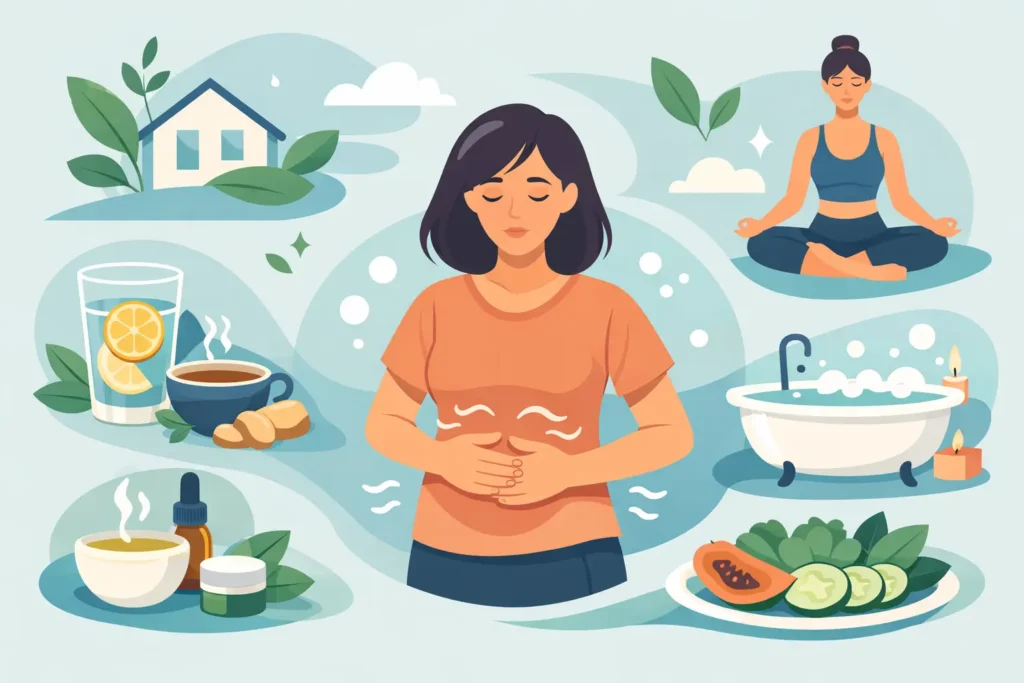
That uncomfortable, stretched feeling after a meal can make even your favorite clothes feel restrictive. Bloating is common, but it is not something you simply have to push through. Learning how to relieve bloating naturally often starts with a few gentle changes that support digestion, encourage regularity, and give your body time to settle.
For some people, bloating follows a large or rushed meal. For others, it is tied to constipation, food sensitivities, hormonal shifts, stress, or a digestive condition that deserves medical attention. A calm, observant approach can help you identify what your body needs without jumping to extreme cleanses or restrictive routines.
How to Relieve Bloating Naturally: Begin With Your Daily Rhythm
Your digestive system responds to rhythm. Eating while hurried, sitting for long stretches, skipping meals, and feeling stressed can all affect how comfortably food moves through the body.
Start by slowing down at meals. Sit upright, take smaller bites, chew thoroughly, and give yourself enough time to finish without rushing. Swallowing food quickly can also mean swallowing more air, which may contribute to gas and pressure. Carbonated drinks, chewing gum, hard candy, and drinking through a straw can have a similar effect for some people.
Gentle movement after eating is another simple habit with real value. A relaxed 10- to 20-minute walk can support normal digestive movement and help ease the heavy feeling that comes from sitting immediately after a meal. This does not need to be an intense workout. A little movement, done consistently, is often more comfortable and sustainable.
Hydration matters as well, especially if constipation is part of the picture. Water helps support normal stool consistency, but it works best alongside regular meals, movement, and enough fiber. Sip water steadily throughout the day rather than trying to make up for it all at once in the evening.
Look Closely at What and How You Eat
There is no single “bloating diet.” Foods that feel nourishing and satisfying for one person may cause discomfort for another. The goal is not to fear food or eliminate every possible trigger. It is to notice patterns with curiosity.
Beans, lentils, cruciferous vegetables such as broccoli and cabbage, onions, garlic, dairy, wheat, and certain sugar alcohols can cause more gas for some people. These foods are not automatically bad for you. Many are rich in fiber and valuable nutrients. However, portion size, preparation, and your individual tolerance can make a difference.
If you notice discomfort after a particular food, try reducing the portion or preparing it differently before cutting it out completely. For example, thoroughly cooked vegetables may feel gentler than raw ones, and rinsed canned beans may be easier to tolerate than a large serving of beans cooked from dry. Keeping a simple food-and-symptom journal for one or two weeks can reveal useful patterns without turning every meal into a stressful project.
Add Fiber Gradually
Fiber supports regularity, but increasing it too quickly can temporarily create more gas and bloating. If your current diet is low in fiber, build up slowly with foods such as oats, berries, chia seeds, cooked vegetables, sweet potatoes, and legumes in modest portions.
Pair added fiber with water and movement. If you are already eating plenty of fiber but remain uncomfortable or constipated, more fiber may not be the answer. This is a good reason to speak with a medical professional rather than continuing to add supplements on your own.
Be Mindful of Salt and Large Meals
A salty restaurant meal or a highly processed snack can lead to temporary water retention, while a very large meal can simply leave the stomach feeling overly full. When you know you have a special dinner planned, consider eating lighter, balanced meals earlier in the day instead of arriving overly hungry.
Smaller, satisfying meals may feel better than one or two very large meals, particularly if bloating tends to appear in the evening. Include protein, fiber-rich carbohydrates, and healthy fats in amounts that leave you comfortably full rather than stuffed.
Support Relaxation, Not Just Digestion
The gut and nervous system communicate constantly. Stress does not mean bloating is “all in your head,” but stress can change digestion, increase muscle tension, and make normal sensations feel more intense.
A few minutes of slow breathing before a meal can help shift the body out of a rushed state. Try sitting comfortably, relaxing your shoulders, and taking several slow breaths into your lower abdomen. Gentle stretching, a warm bath, or quiet time away from screens may also help when tension and digestive discomfort arrive together.
Many people find warmth soothing. A warm herbal tea, such as peppermint or ginger, may feel comforting after a meal. Peppermint is not right for everyone, especially people who experience reflux, because it can relax the muscle that helps keep stomach contents from moving upward. Ginger may be a better choice for some, but any new herbal remedy should be used thoughtfully if you are pregnant, take medications, or have a health condition.
Address Constipation With Gentle Consistency
When stool moves slowly through the digestive tract, bloating and pressure can become more noticeable. Regular bathroom habits are an often-overlooked part of digestive comfort.
Give yourself unhurried time to use the bathroom, ideally when your body naturally signals the need. Ignoring the urge repeatedly can make constipation worse. A small footstool under your feet may also help create a more comfortable position by changing the angle of the hips.
Avoid relying on harsh laxatives, frequent enemas, or aggressive cleansing routines as a long-term response to bloating. These approaches can cause cramping, dehydration, electrolyte changes, or dependence when used improperly. Natural care should still be careful care.
Consider Wellness Services With Clear Expectations
Some people seek private wellness services when they want to feel lighter, more relaxed, or more connected to a consistent self-care routine. Colon hydrotherapy is one option some adults choose for personal wellness and digestive comfort, but it is not a proven treatment for chronic bloating or digestive disease.
If you are considering any body service, choose a clean, professional setting and ask direct questions about training, equipment, privacy, and what to expect. A qualified practitioner should never pressure you to continue if you feel unwell and should encourage medical guidance when symptoms are persistent or concerning. At Five Star Colonic, personalized care, private appointments, and professional standards are central to making sensitive wellness conversations feel respectful and comfortable.
When Bloating Needs Medical Attention
Occasional bloating that improves with simple habits is common. Persistent, worsening, or painful bloating deserves a closer look, especially when it is new for you or changes your normal routine.
Contact a medical professional promptly if bloating occurs with severe abdominal pain, vomiting, fever, blood in the stool, unexplained weight loss, ongoing diarrhea or constipation, inability to pass stool or gas, or a noticeable swelling that does not go away. People with a history of digestive disease, abdominal surgery, cancer, or pelvic conditions should also seek individualized medical guidance rather than self-treating.
For many people, relief comes from less force and more consistency: slower meals, steady hydration, comfortable movement, and attention to personal food patterns. Give yourself permission to make one small change at a time. Your body often responds best to patient, gentle care.