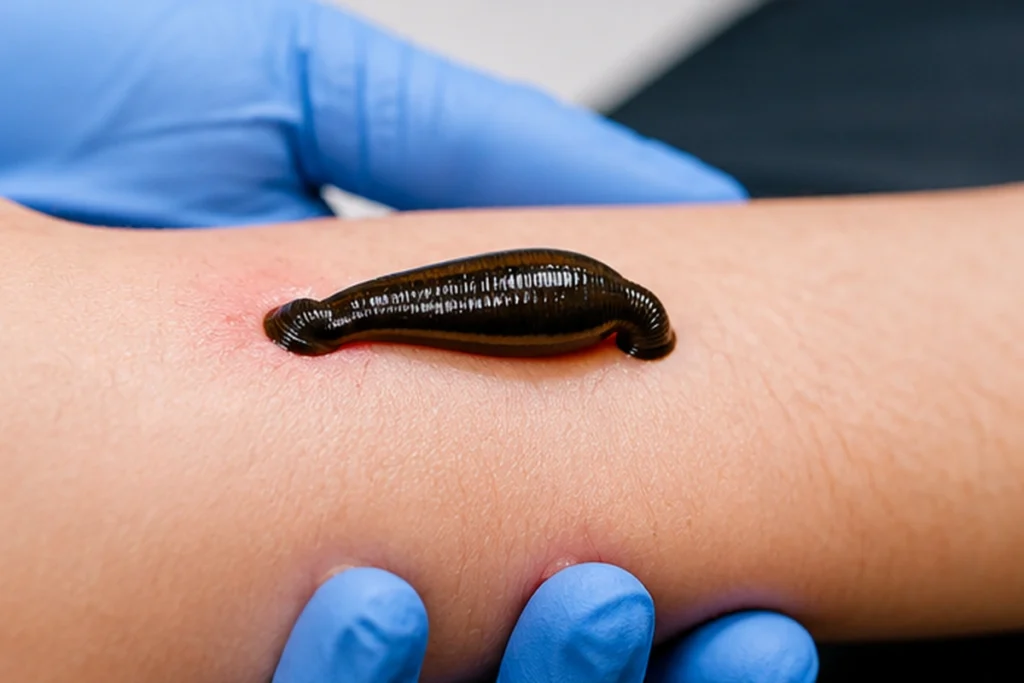
Leeches are not the first thing most people picture when they think about modern wellness care. Still, medicinal leeches are used in controlled settings, and people searching for leech therapy near me want honest answers before booking. Clear information helps you decide without pressure or confusion.
Hirudotherapy is the planned use of medicinal leeches on selected skin areas. It is different from collecting a leech outdoors or experimenting at home. This guide explains how leech therapy in New York works, what happens during a session, which risks matter, and what to ask beforehand.
What Is Leech Therapy?
Leech therapy, also called hirudotherapy, places specially sourced medicinal leeches on the skin for a limited time. A leech makes a small bite and releases saliva with compounds that slow local clotting. The area may therefore ooze after detachment.
Medicinal leeches are not wild leeches. They should come from a controlled source, follow hygiene procedures, and be used once. The FDA recognizes a specific medical use involving venous congestion in grafted tissue. Other wellness uses should never be presented as cures.
How Does Hirudotherapy Work?
A responsible session begins with questions. The practitioner reviews your health history, medications, allergies, recent procedures, and reasons for treatment. The proposed area is then examined and prepared.
Once applied, the leech attaches while the practitioner monitors you. The number used and session length vary. After detachment, the area is cleaned and dressed because light bleeding may continue.
Why Do People Search for Leech Therapy Near Me?
Most people want more than the closest address. They want a leech therapy practitioner who listens, handles medicinal leeches responsibly, provides privacy, and explains aftercare.
A nearby practice makes follow up easier if bleeding, redness, itching, or dressing concerns develop. Convenience helps, but screening and honest communication matter more.
New York Hirudotherapy and Local Medicinal Leech Services
When people search New York leeches, New York hirudotherapy, or hirudotherapy near me, they should confirm the provider’s location and service area. Five Star Colonic is at 267 Kiswick Street in Staten Island and welcomes clients from Staten Island, Brooklyn, Manhattan, New Jersey, and the tri state area.
Before booking medicinal leeches in New York, ask about sourcing, storage, and disposal. Safe practice also requires screening, single use procedures, monitoring, and useful aftercare.
What Happens During a Leech Therapy Session?
Your first leech therapy appointment should feel calm. A consultation comes first so the practitioner can discuss your goals and health concerns. Mention every medicine and supplement, even those that seem unrelated.
The skin is assessed and cleaned before placement. You may feel a quick pinch, pulling, tingling, or mild discomfort. The practitioner should remain attentive.
After detachment, the bites are covered with absorbent dressings. You should know how to change them, keep the area clean, recognize excessive bleeding, and contact the practice with concerns.
Is Leech Therapy Safe?
Leech therapy is not risk free. Possible problems include bleeding, bruising, itching, sensitivity, scarring, allergy, anemia, and infection. Medicinal leeches naturally carry Aeromonas bacteria, making wild or reused leeches unsafe.
Before treatment, disclose blood thinners, pain relievers, supplements, bleeding conditions, anemia, immune problems, pregnancy, infection, allergies, recent surgery, and uncontrolled illness. Never stop prescribed medication to qualify.
Seek medical help for heavy bleeding, faintness, fever, spreading redness, pus, severe pain, breathing difficulty, or unusual swelling.
Who May Not Be a Suitable Candidate?
Medicinal leech therapy may not suit people with bleeding disorders, severe anemia, skin infection, weakened immunity, unstable illness, serious allergies, or recent procedures. Pregnancy and breastfeeding require caution.
People using anticoagulants need medical advice. A professional leech therapy provider should postpone or refuse treatment when risk appears too high. That shows responsibility, not poor service.
How to Choose a Leech Therapy Practitioner in New York
A polished website cannot answer everything. During the leech therapy consultation, ask about training, experience, sourcing, single use rules, sanitation, screening, aftercare, and emergency guidance. Ask when treatment would be refused.
Avoid a hirudotherapy practitioner who promises cures, dismisses infection risk, skips medication questions, or cannot explain handling and disposal.
What to Expect After a Hirudotherapy Session
Oozing is common because the bite does not clot immediately. Keep the dressing in place, replace it with clean materials, and avoid scratching. Mild bruising, redness, itching, or tenderness should settle rather than intensify.
Contact the practitioner with concerns. Seek medical care for uncontrolled bleeding, infection signs, marked weakness, dizziness, or an allergic reaction.
How Many Sessions Will You Need?
There is no standard number. Recommendations depend on your goals, health history, treatment area, response, and practitioner assessment. Avoid guaranteed packages. A thoughtful provider reassesses before another visit.
Leech Therapy Near Me in New York
Five Star Colonic offers private appointments in Staten Island for clients from New York City and nearby New Jersey. To ask about professional leech therapy, call 718-781-5210. Phone booking lets you discuss concerns before visiting.
A good decision begins with an honest conversation. Schedule a leech therapy consultation, share your health history, and ask whether the service suits you. Hirudotherapy never replaces licensed medical care.
Frequently Asked Questions
1. What is leech therapy?
Leech therapy is the controlled placement of medicinal leeches on selected skin areas. A practitioner plans the placement, monitors the session, dresses the bite sites, and provides aftercare. The practice is also called hirudotherapy and should never involve wild or previously used leeches.
2. What is hirudotherapy?
Hirudotherapy is another name for medicinal leech therapy. It refers to planned use in a controlled setting. It does not mean every condition can be treated with leeches, and suitability should be decided after reviewing the client’s health history.
3. How can I find professional leech therapy near me?
Look beyond distance. Ask about training, experience, leech sourcing, single use rules, sanitation, screening, privacy, dressing procedures, and follow up support. A trustworthy provider explains risks and limitations instead of relying on dramatic claims or testimonials.
4. Is leech therapy available in New York?
Yes. Some New York medical and wellness providers offer the service. Five Star Colonic offers hirudotherapy at its Staten Island center. Before booking, confirm availability, discuss your health history, and ask exactly what the appointment includes.
5. Are medicinal leeches the same as wild leeches?
No. Professional medicinal leeches should come from a controlled source. Wild leeches may be the wrong species and carry unpredictable contaminants. Never collect leeches from ponds, streams, or lakes for home treatment.
6. Are leeches reused between clients?
They should never be reused. Each medicinal leech should be limited to one client and disposed of according to the provider’s procedure. Reuse could expose another person to blood or infectious material, even when the leech appears healthy.
7. Does leech therapy hurt?
Sensations vary. Some people notice a quick pinch followed by pulling, tingling, warmth, or mild discomfort. Tell the practitioner immediately if you experience severe pain, dizziness, breathing difficulty, or another unexpected reaction.
8. How long does a session take?
Timing depends on the number of leeches, attachment time, treatment area, and individual response. Consultation and dressing also require time. Ask for a realistic estimate, but understand that the exact length cannot always be predicted.
9. Will I bleed after leech therapy?
Some continued bleeding is expected because leech saliva delays local clotting. The practitioner should apply an absorbent dressing and explain when bleeding becomes concerning. Heavy bleeding, weakness, or dizziness requires prompt medical attention.
10. Is leech therapy safe for everyone?
No. Bleeding, infection, allergy, anemia, bruising, itching, and scarring can occur. Certain conditions and medications increase risk. A consultation is essential, and some clients should speak with their healthcare professional before considering treatment.
11. What should I do before my appointment?
Share all medicines, supplements, allergies, health conditions, recent procedures, and pregnancy status. Follow preparation instructions and avoid scented lotion on the proposed area if asked. Never stop prescribed medication without medical advice.
12. What should I do after the session?
Keep the dressing secure, use clean hands when changing it, keep the area clean, and avoid scratching. Seek help for uncontrolled bleeding, fever, spreading redness, pus, severe pain, faintness, or breathing difficulty.
Medical Note
This educational article does not diagnose, prevent, or cure disease. Consult a healthcare professional for medical advice.